We don’t just represent our clients in the courtroom – we advocate for their rights in parliaments, in the media, and in the community. Here’s how we achieve our vision for change.
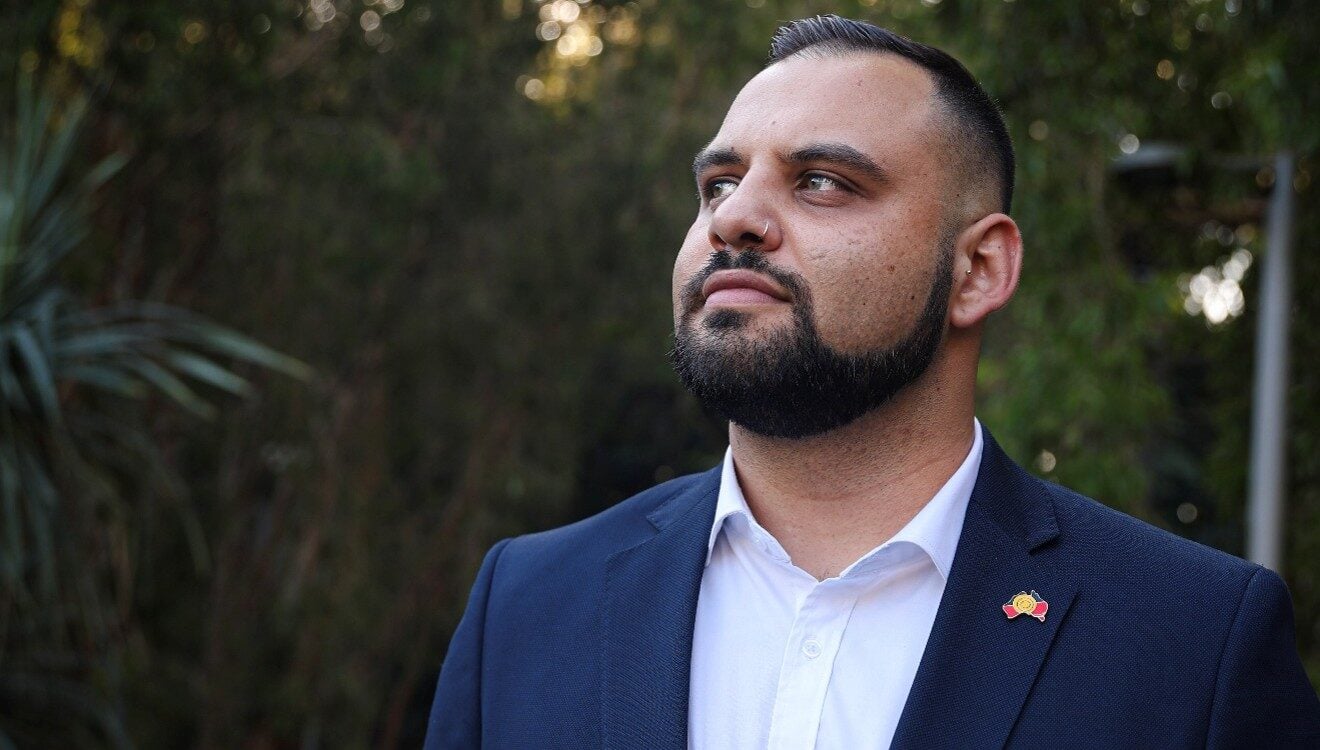
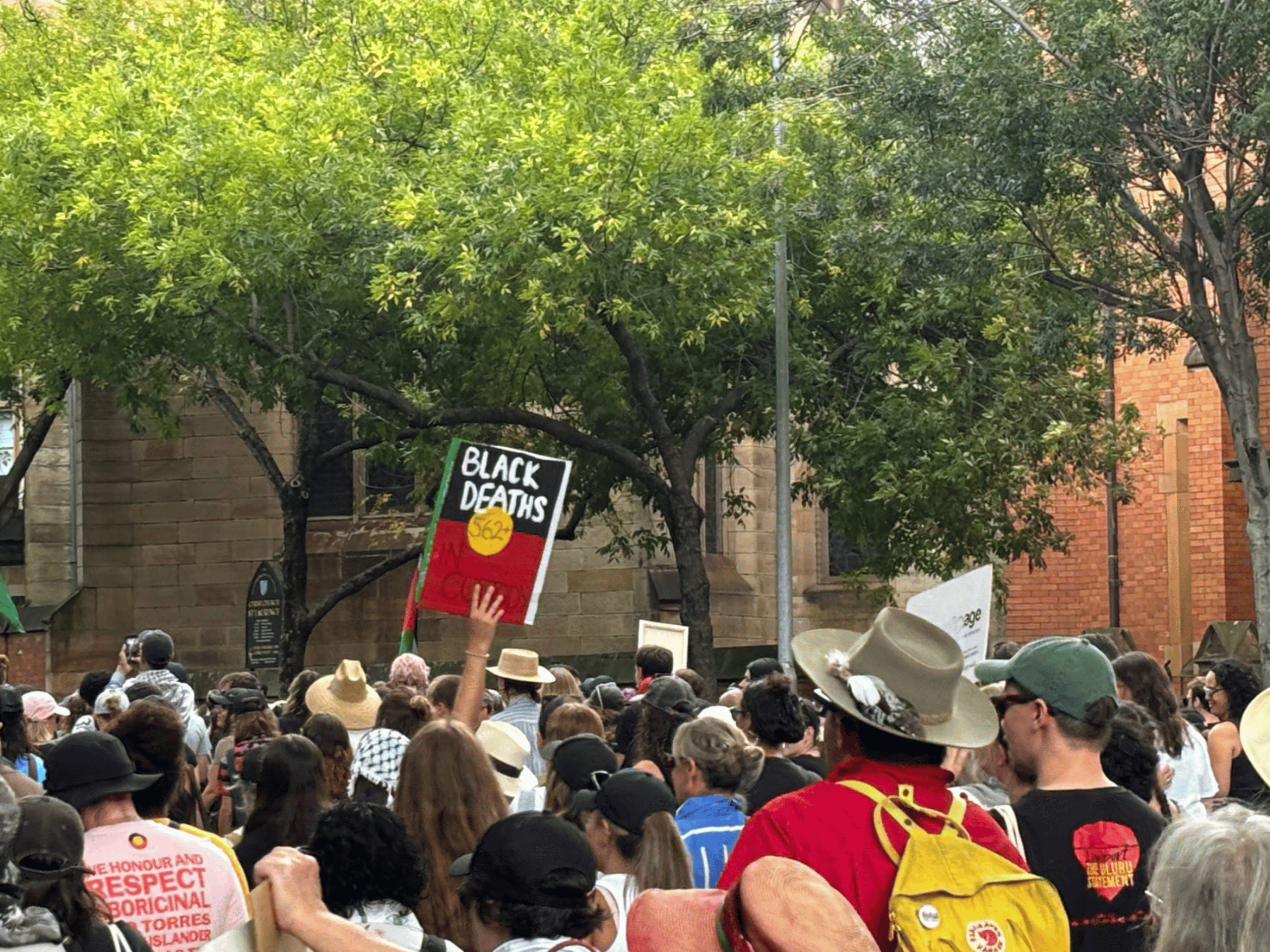
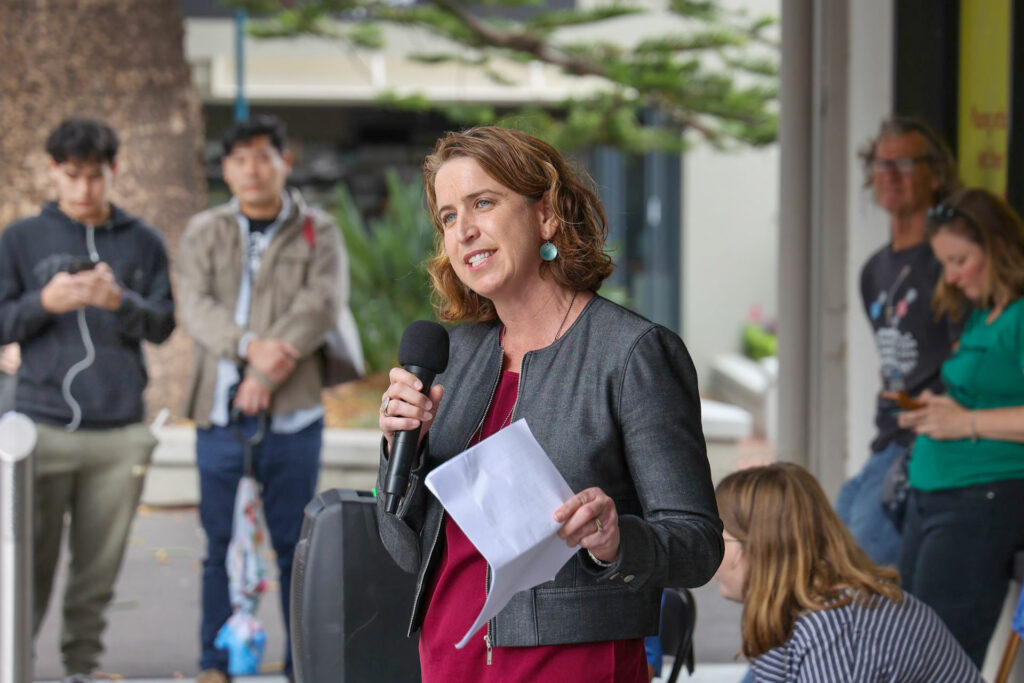
Above: Our General Manager, Naomi Lai, spoke out against the government’s abuse of refugee rights at the 2023 Palm Sunday march in Wollongong. Illawarra Mercury-ACM.
WE AMPLIFY
OUR CLIENTS’ VOICES
Our clients’ most powerful tool for securing justice is their own story. We help our clients tell their stories to the media and in the corridors of power, and we help them call for change at parliamentary inquiries and ministerial meetings.
In June 2021, we launched a legal complaint to the United Nations on behalf of our client, Leetona Dungay. Here, our Board member, Larissa Behrendt, speaks out to the press about First Nations deaths in custody alongside Leetona Dungay following the launch of the UN complaint.
Through our formal submissions to parliaments, inquiries, and international bodies, we make bold proposals that are informed by our clients’ experience, and we hold them to account for their commitments.
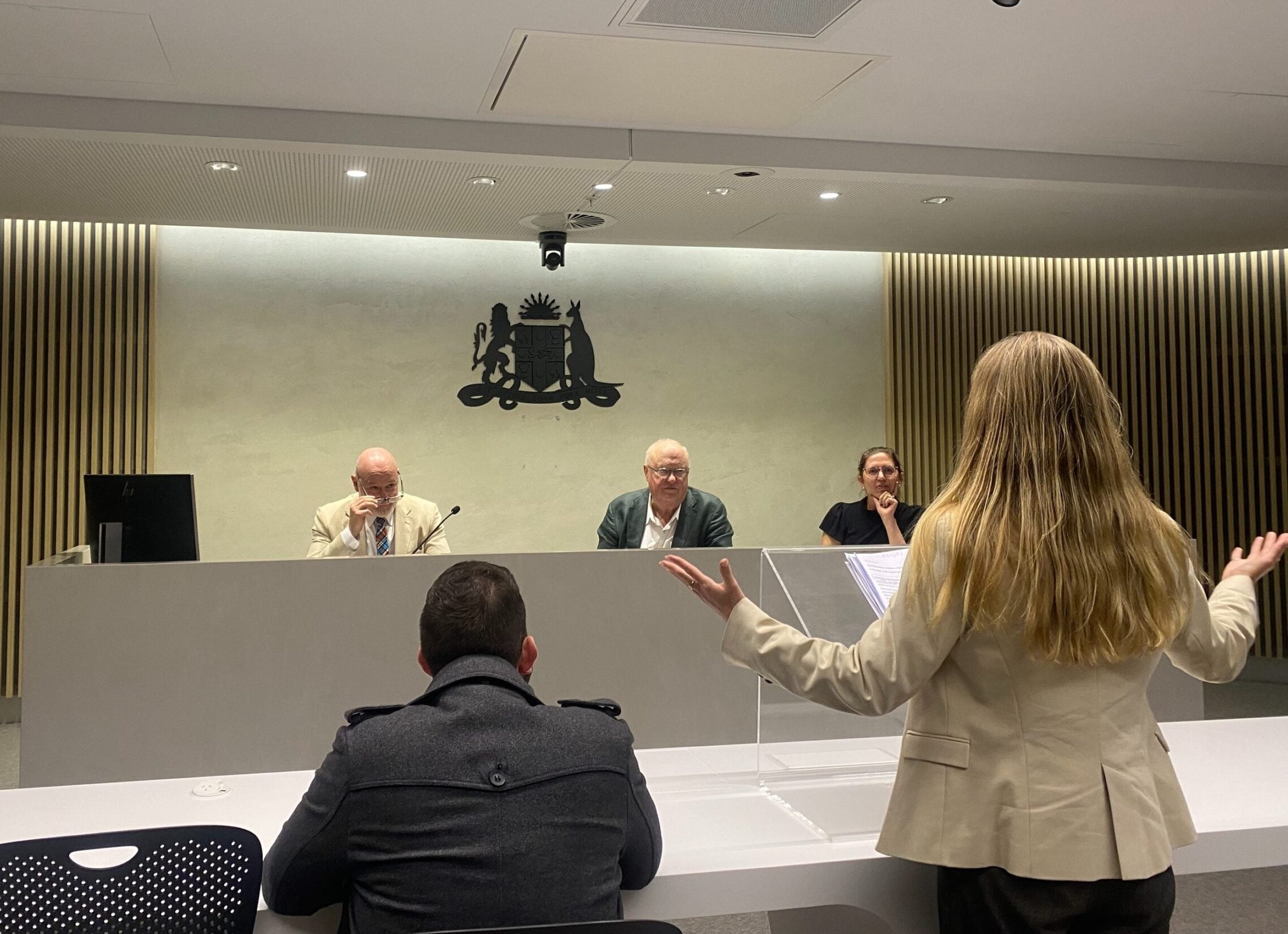
In April 2023, our Associate Legal Director, Emma Hearne, travelled to Perth to stand with our client, Tamica Mullaley, as she shared her story with federal senators. Tamica called on the Parliament to take urgent action to end the epidemic of violence against First Nations women and children, and she called for greater transparency and accountability in policing.
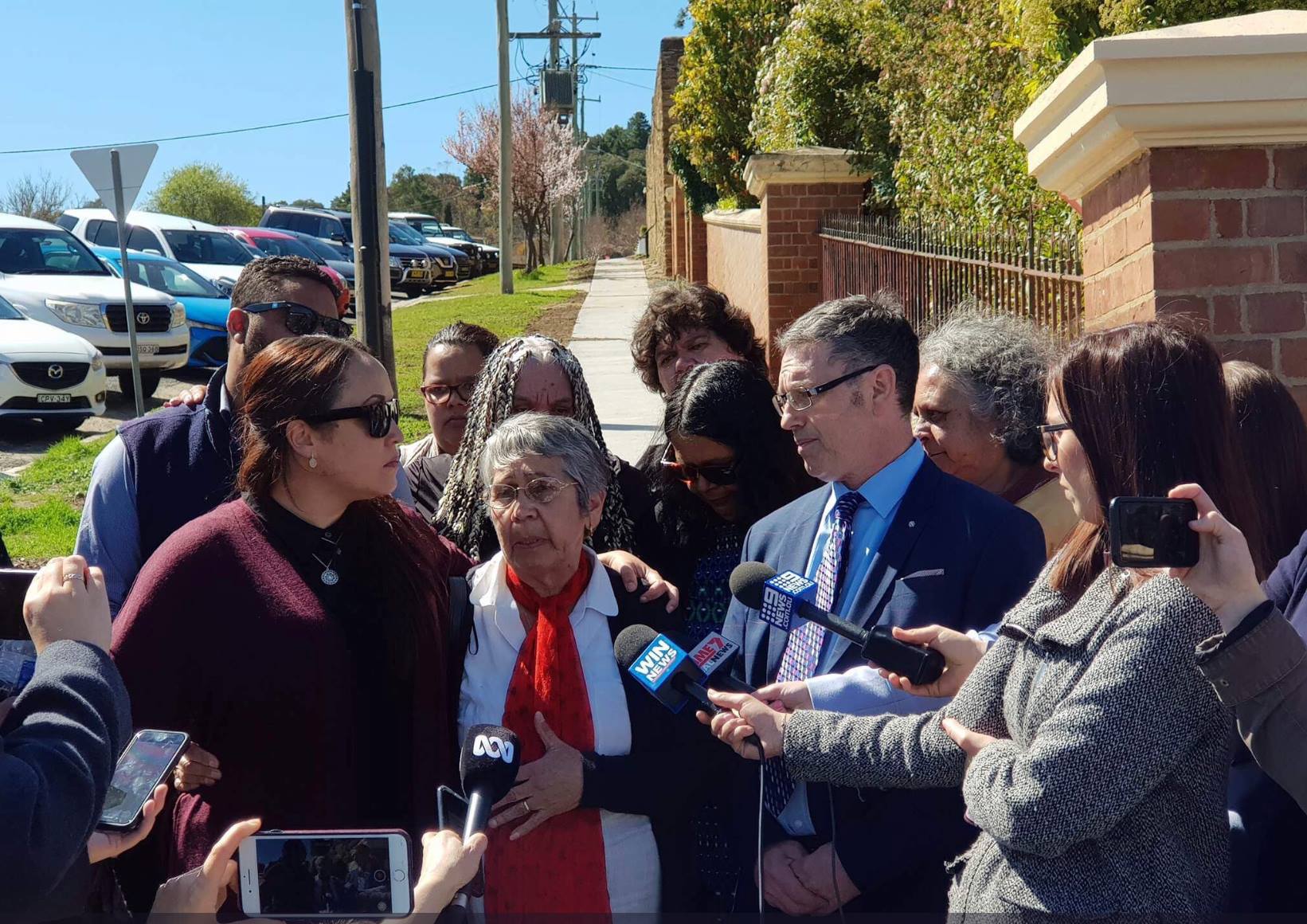
Above: Our former Board member, Dr Anita Heiss, spoke to the media in March 2019 following the coronial inquest into the death of her cousin, Naomi Williams. Naomi was a young Wiradjuri woman who died at Tumut hospital on 1 January 2016 after receiving discriminatory healthcare.
Our advocacy on health justice is informed by our legal cases against discriminatory healthcare for First Nations people, refugees, and people in prisons.
In 2018, we secured groundbreaking coronial findings that demonstrated an ‘implicit racial bias’ in the medical treatment of Naomi Williams, a Wiradjuri woman from Tumut (NSW) who passed away after receiving negligent care at her local hospital. This was the first time a court has found that racial bias and prejudice in healthcare contributed to the death of a First Nations person.
In 2019, we secured commitment from NSW Government to implement cultural safety reforms in the regional health district where Naomi was treated. In 2020, we put forward a submission to a NSW parliamentary inquiry drawing on the experience of the family of Naomi Williams.
Today, we have scaled-up our advocacy on this priority issue by playing a leading role in the establishment of the Partnership for Justice in Health, an alliance of organisations working to eradicate discrimination in healthcare.
JUSTICE
CHANGE
ACCOUNTABILITY
Take action today to help us secure justice for our clients and systemic change for the community.
People experiencing a mental health crisis deserve care, not criminalisation. That’s why the National Justice Project and the Alternative First Responders campaign have made a submission to the Law Enforcement Conduct Commission’s community survey on mental health and policing interactions in NSW. Our submission outlines the harms caused by police-led responses to mental health crises […]
The Australian Electoral Commission (AEC) will introduce significant nationwide reforms, including Aboriginal and Torres Strait Islander cultural competency training for more than 100,000 of its staff, following the resolution of Federal Court proceedings brought by the Benton family. Barkindji Koori man, Murray Benton, along with his family, lodged a racial discrimination complaint with the Australian Human Rights Commission and later commenced proceedings at the Federal Court, after […]
Content Warning: Aboriginal and Torres Strait Islander readers are advised that this media release contains the name of a Gomeroi person who has passed away. The Coroner has ruled out suicide as the cause of death of Gomeroi teenager Mark Anthony Haines and delivered strong criticism of the way NSW Police investigated his death in 1988. Mark, aged 17, was […]
The Northern Territory Government is proposing significant changes to child protection laws through the Care and Protection of Children Legislation Amendment (Every Child Matters) Bill 2026. But the National Justice Project has raised serious concerns about the proposed laws in a submission to the Northern Territory Legislative Scrutiny Committee, warning they are being rushed through […]
On National Sorry Day, we honour the Stolen Generations and acknowledge the pain still carried by First Nations families and communities. First Nations children are still being removed from their families at rates that are persistently and staggeringly disproportionate. In 2023-24 across Australia, Aboriginal and Torres Strait Islander children were 9.6 times more likely to […]
This year, the National Justice Project partnered with the University of Technology Sydney and the Jumbunna Legal Strategies Hub to launch the Strategic Litigation Clinic, putting trauma-informed practice at the centre of legal training from day one. Trauma can affect how a person thinks, feels and behaves. Whether it’s triggered by a single event, or a series of difficult experiences, it can stay […]
We’re celebrating the people who give their time to the National Justice Project, and hearing what the experience has meant to them. National Volunteer Week, running from 18–24 May, is Australia’s largest annual celebration of volunteers. It recognises the contribution of more than six million Australians who generously offer their time and expertise to support others. The […]
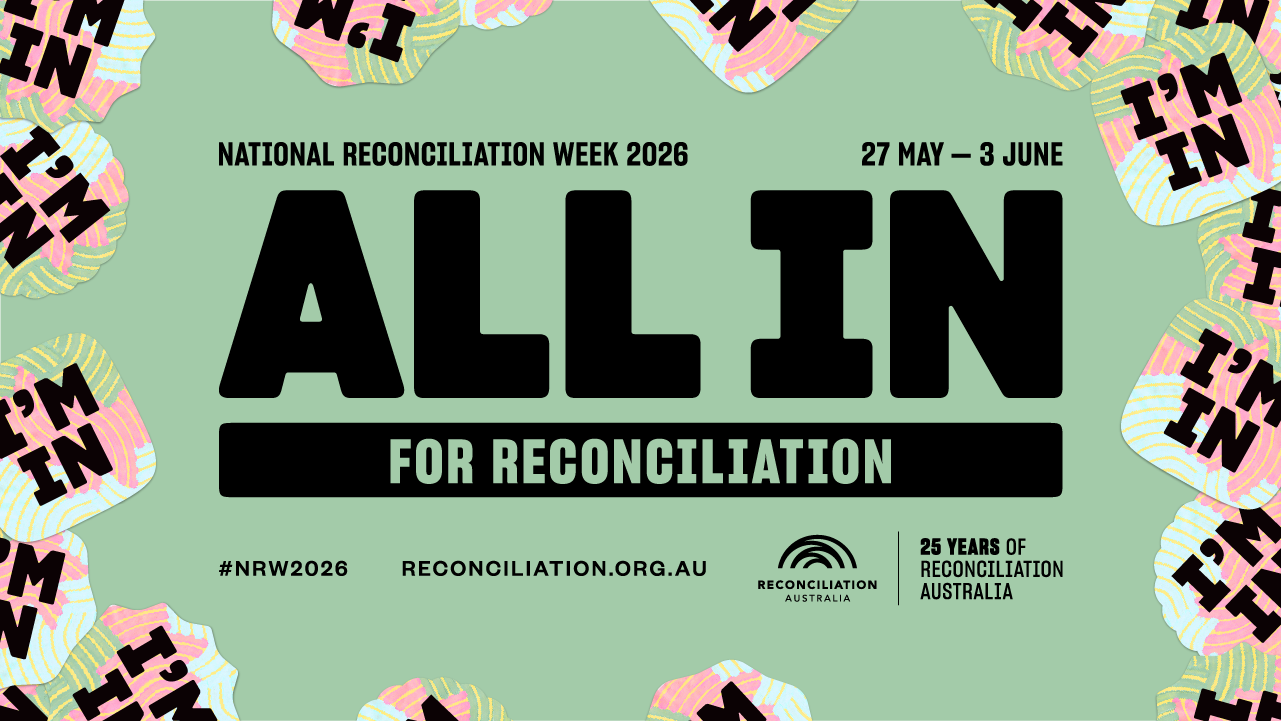
‘Reconciliation is not a spectator sport’ is the message behind this year’s National Reconciliation Week theme. ‘All In’ is a direct call for every person to stand alongside First Nations people and commit to reconciliation every day. Standing alongside is not the same as standing back and watching. But standing alongside is not the same as standing back and watching. The […]
Health Justice means being able to walk into any hospital or clinic and know you will be treated with respect and receive the care you need, without fear of racism, bias or stereotyping. But across Australia, First Nations people are still being denied safe healthcare, with laws, policies and structures that disempower communities from accessing […]